
Finland · Jyväskylä
University of Jyväskylä
An internationally recognised research university, combining academic excellence, innovation and a unique student experience in a nature-inspired environment.
The University of Jyväskylä (JYU) is an internationally recognised research university, bringing together an open and collaborative community of around 2,500 staff members and 14,500 students. Founded in 1863 as a teacher training college, it has played a key role in the development of Finland’s education system.
Today, JYU is known for its strong expertise in natural sciences, humanities, sport and health sciences, as well as teacher education. Its research ranks among the top 3% of universities worldwide in major global rankings, reflecting its commitment to academic excellence and innovation.
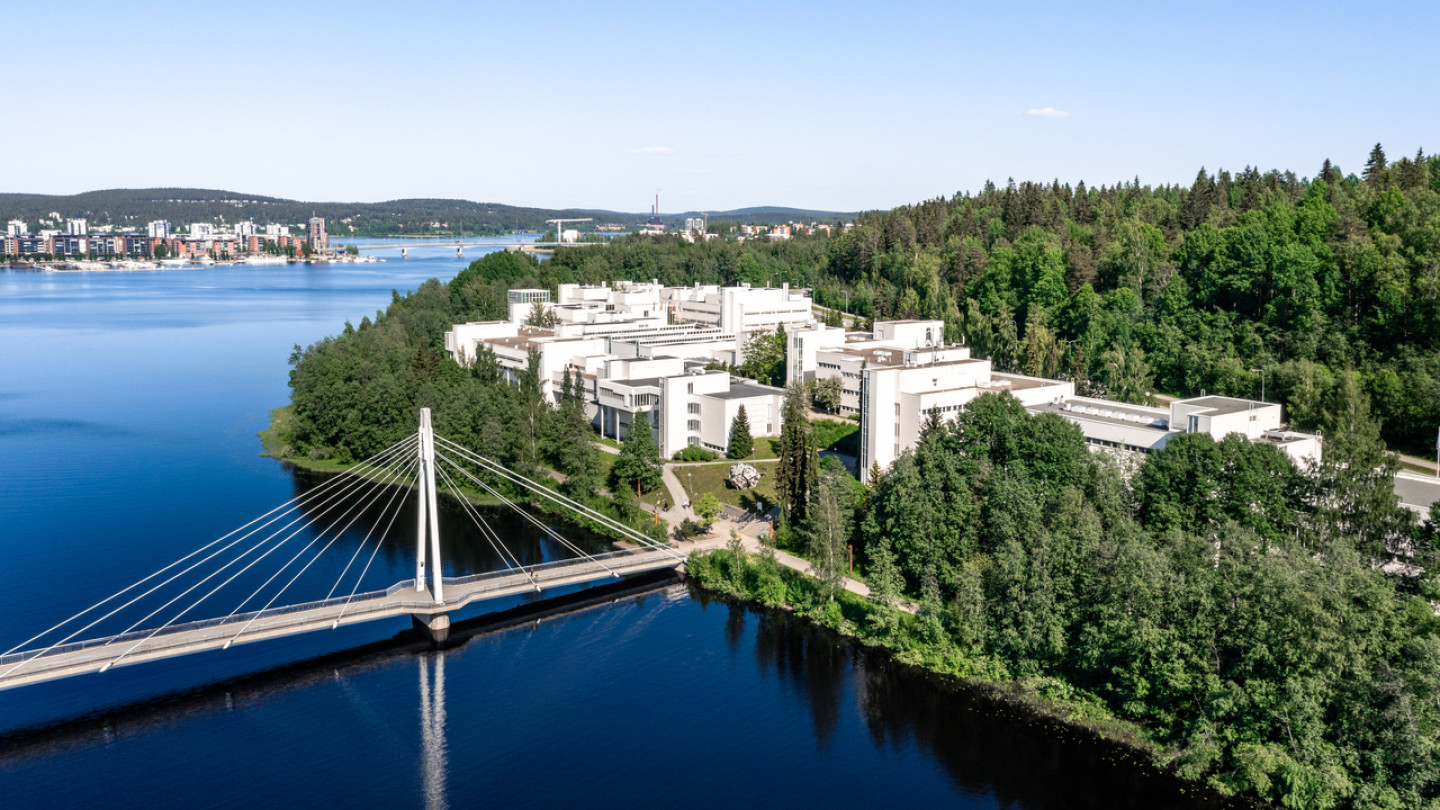
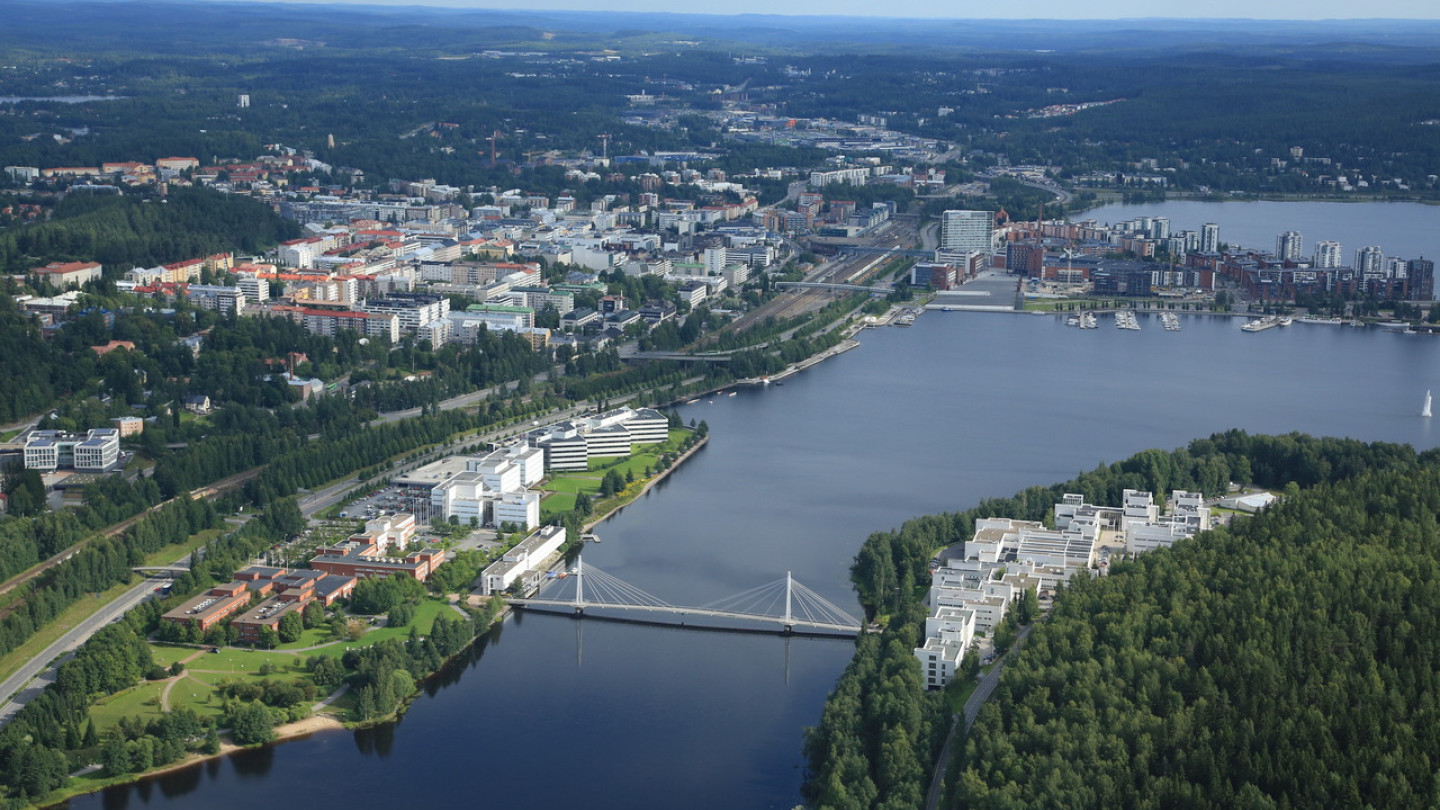
Located in a unique natural environment, the university offers a welcoming and student-friendly campus where everything is close and easily accessible. As a multidisciplinary institution, JYU encourages students to explore and combine different fields of study, including emerging areas of research.
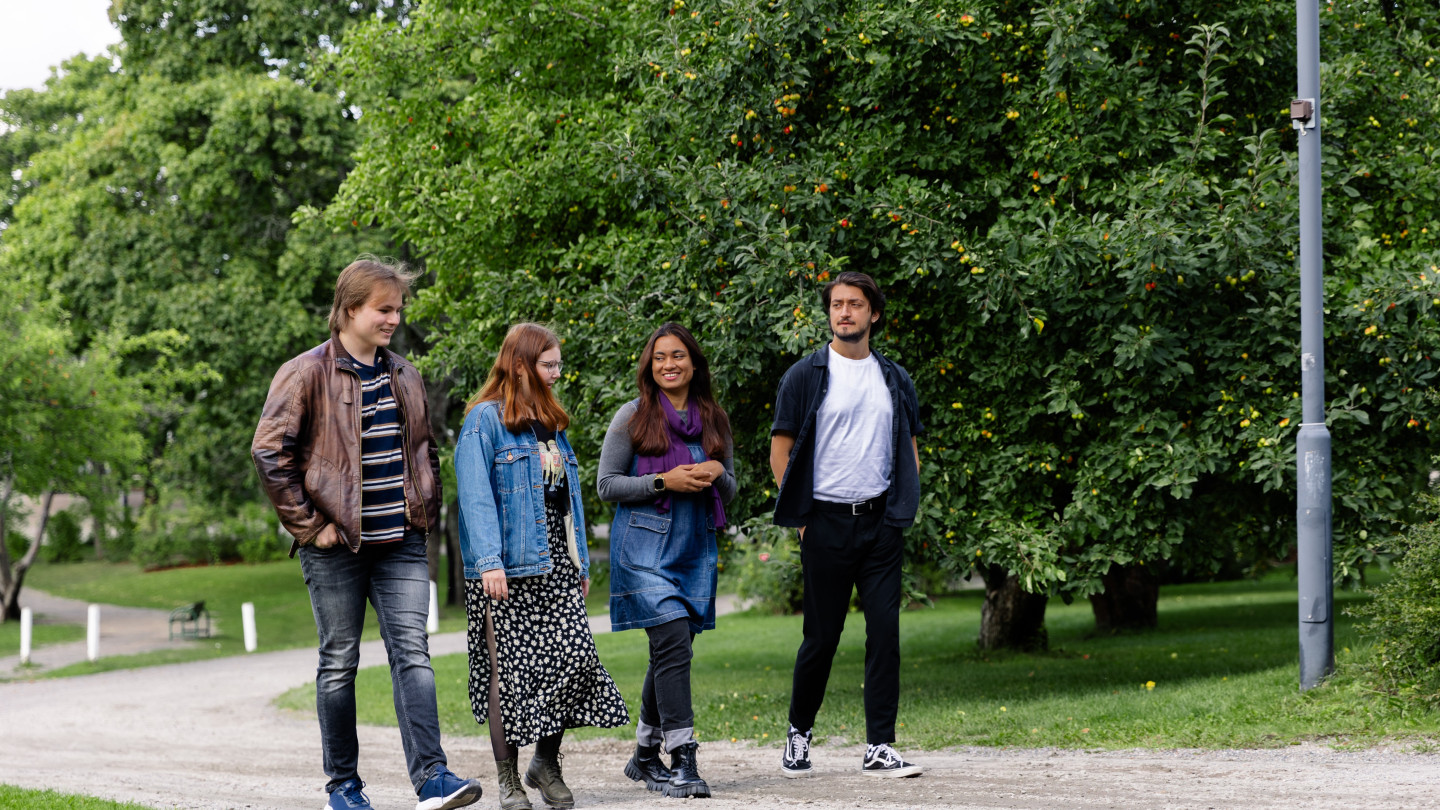
Student wellbeing is a central priority at JYU. The university promotes a supportive and balanced student experience through its dedicated “Student Life” concept, ensuring that students can thrive both academically and personally.

Faculty of Mathematics and Science
The Faculty of Mathematics and Science is one of the six faculties of the University of Jyväskylä and one of its most international environments. It brings together four departments: Biological and Environmental Science, Physics, Chemistry, and Mathematics and Statistics.
The faculty also includes interdisciplinary research facilities such as the Nanoscience Center, as well as the Konnevesi Research Station, providing unique opportunities for advanced research.
Through high-quality teaching, modern facilities and innovative methods, the faculty delivers world-class education and prepares students to meet the evolving needs of the labour market.

Disclaimer
Co-funded by the European Union. Views and opinions expressed are however those of the author(s) only and do not necessarily reflect those of the European Union or the European Education and Culture Executive Agency (EACEA). Neither the European Union nor EACEA can be held responsible for them.